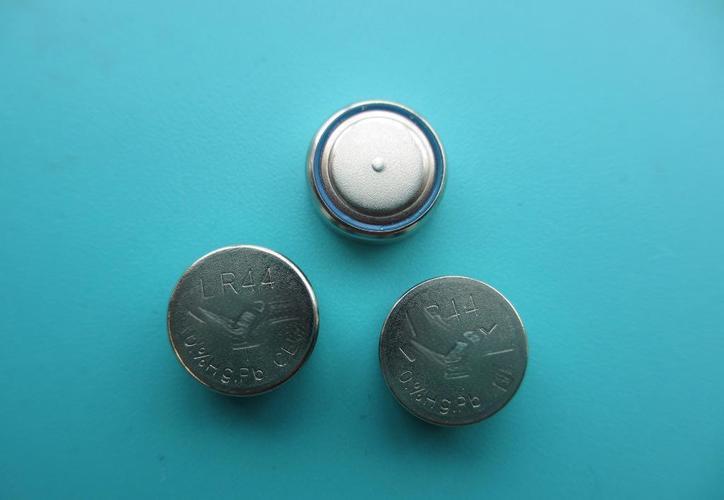
With the wide application of electronic equipment, button type secondary cells and batteries have been widely used in various portable devices because of their compact design and efficient energy storage capacity. To ensure the safety and performance of these cells and batteries, the International Electrotechnical Commission (IEC) has published the IEC 61960-4:2020 standard.
The main content of IEC 61960-4:2020 standard
The IEC 61960-4:2020 standard mainly covers the safety technical requirements of button type secondary cells and batteries, including material selection, structural design, manufacturing process, performance testing and so on. The standard clarifies the basic safety requirements of button type secondary cells and batteries, such as the safety performance under extreme conditions such as overcharge, overdischarge, short circuit, extrusion, and high temperature. In addition, the standard also specifies the battery's labeling, packaging, transportation and storage conditions to ensure the safety of the battery throughout its life cycle.
Second, the impact on button type secondary cell and battery
1, material selection and structural design: IEC 61960-4:2020 standard for button type secondary cell and battery anode and cathode materials, electrolyte, diaphragm and other key materials put forward strict requirements. These materials must have good thermal and chemical stability to prevent the battery from thermal runaway during charging and discharging. In terms of structural design, the standard requires that the mechanical strength and tightness of the battery must meet certain standards to prevent external impact and liquid intrusion.
2, manufacturing process: In the manufacturing process, welding, packaging and other key processes must be strictly controlled to ensure that the internal structure of the battery is tight, to prevent electrolyte leakage and internal short circuit. The standard also specifies the requirements of the manufacturing environment, such as temperature, humidity, dust, etc., to ensure the quality and consistency of the product.
3, performance test: IEC 61960-4:2020 standard specifies a series of performance tests, such as overcharge test, overdischarge test, short circuit test, extrusion test, high temperature test, etc., to verify the safety performance of the battery under extreme conditions. Companies should regularly perform these tests on batteries to ensure they meet standard requirements.
Third, the enterprise's response strategy
1, technology upgrade: enterprises should upgrade the existing production process and technology according to the requirements of IEC 61960-4:2020 standard. For example, the use of more advanced materials and manufacturing processes to improve the safety and performance of batteries.
2, quality control: enterprises should establish a strict quality control system to ensure that each production link meets the standard requirements. Regular internal audit and external inspection to ensure consistency of product quality.
3, staff training: enterprises should conduct standard training for employees, so that they understand the requirements of IEC 61960-4:2020 standards, and can be strictly implemented in actual production.
Fourth, the attention of consumers
When purchasing button secondary cells and batteries, consumers should choose products that comply with IEC 61960-4:2020 standards. In addition, consumers should use and maintain the battery correctly according to the instructions, and avoid improper operations such as overcharging and excessive discharge to ensure the safety and service life of the battery.

The implementation of the IEC 61960-4:2020 standard is of great significance for improving the safety and reliability of button type secondary cells and batteries. We will continue to be committed to interpreting and promoting relevant standards, helping enterprises and consumers understand and comply with standard requirements, and jointly promoting the healthy development of button type secondary cell and battery industry. If you have relevant reporting needs, please contact ZRLK, we will provide you with professional testing and certification services.